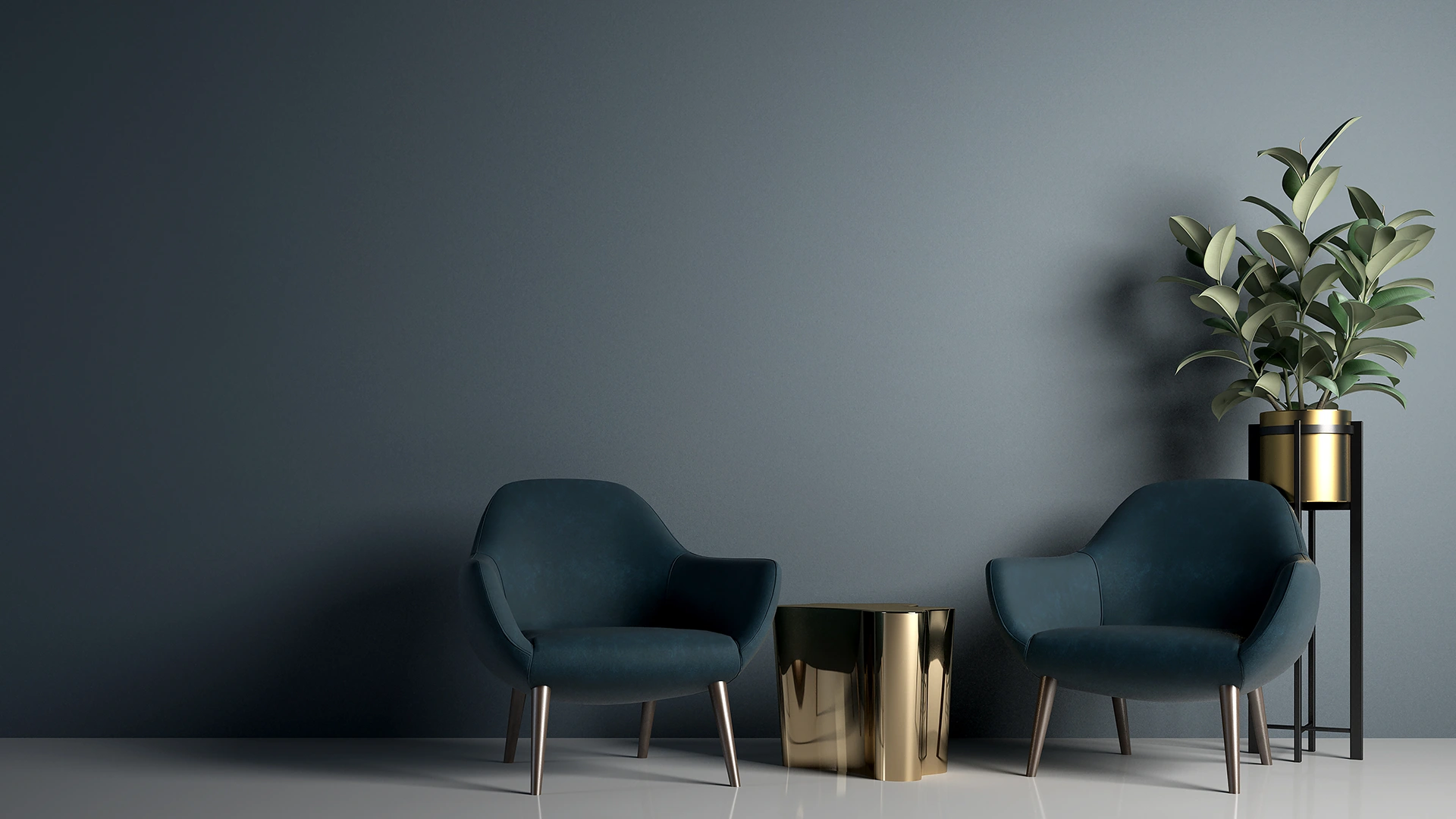
Mastering interior design core principles
Transforming bare walls into cohesive living spaces requires a deep understanding of spatial balance, material textures, and structural harmony to create interiors that reflect personal identity while supporting everyday comfort.

Exploring distinctive decorating styles
Visual aesthetics shape the atmosphere of any residence. Adopting a specific design language establishes a cohesive thread, guiding aesthetic choices from major furnishings to delicate accents.

Minimalist urban concepts
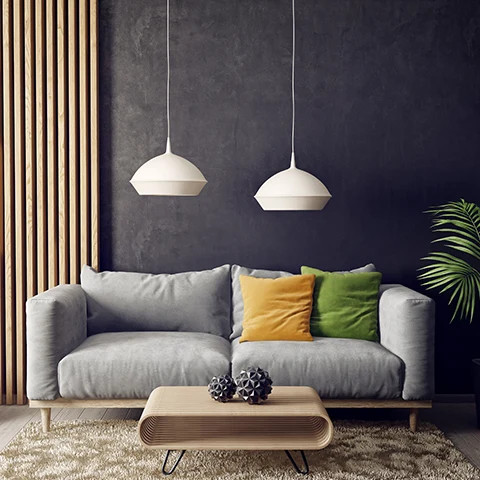
Minimalist spaces rely on clean lines, restrained forms, and uncluttered surfaces to define minimalist interior design while promoting visual calm and functional simplicity.
Classic bohemian touches
Layered global textiles and expressive patterns introduce warmth while reinforcing a bohemian interior style.
Industrial loft aesthetics
Raw structural character defines industrial loft interiors through exposed brickwork, visible metal piping, and raw structural elements.
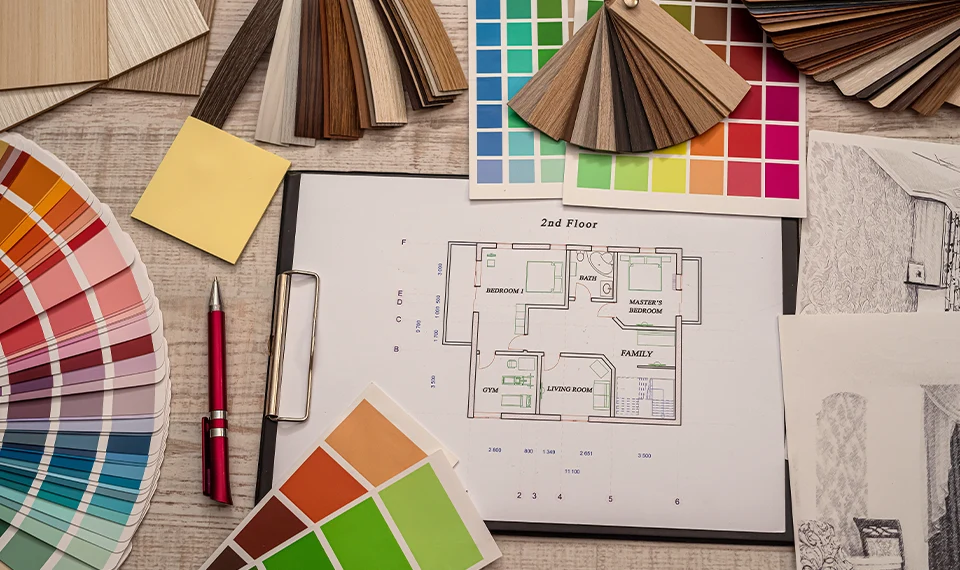
Room-by-room interior planning
Each distinct zone within a house demands a tailored approach to room layout and functionality. While entryways require durable flooring and accessible storage, sleeping quarters benefit from softer acoustics, comfortable circulation, and soothing layouts. Orchestrating smooth transitions between these areas helps the overall floor plan feel connected, fluid, and instinctively navigable.
Selecting furniture and storage solutions
Bulky furniture often dictates traffic flow and usable floor space. Choosing modular shelving and seating with hidden storage maximizes everyday utility without sacrificing visual balance. Properly scaled furniture prevents a room from feeling cluttered, ensuring that cabinets and sofas support both ergonomic comfort and efficient space planning.
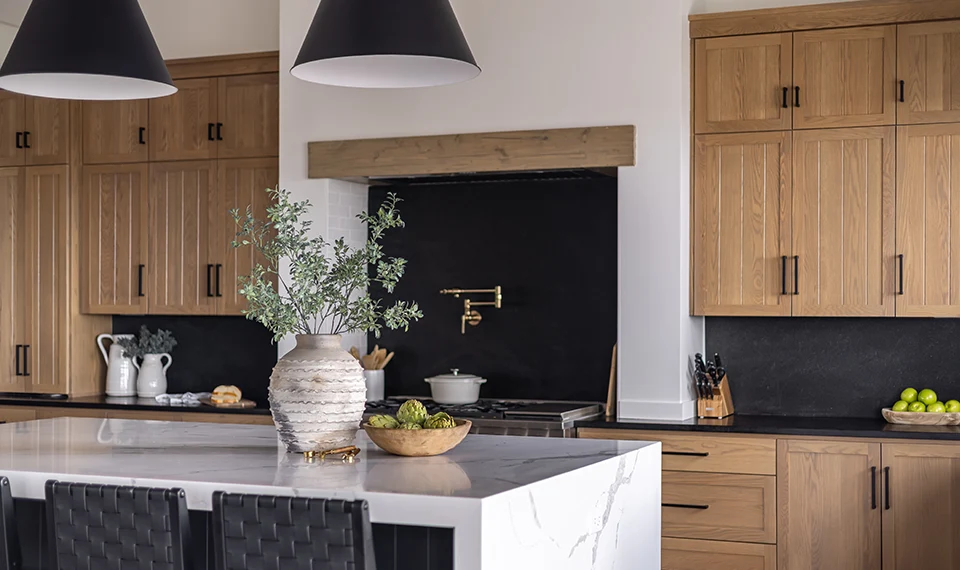
Harmonizing colors and raw materials
Interior depth is strongly influenced by tactile materials and surface finishes. Combining contrasting textures with a considered color palette creates visual hierarchy across focal points while keeping the interior composition balanced.

Natural wood grains
Solid oak or walnut flooring grounds the room by combining natural wood grain, organic warmth, and durable floor finishes.

Matte paint finishes
Non-reflective wall paint absorbs excess glare, creating a soft matte finish that highlights architectural details without visual distraction.

Textured fabric accents
Heavy linen draperies and woven rugs introduce tactile softness, balancing polished stone, glass, and other hard interior surfaces.

Shaping atmospheres through strategic lighting
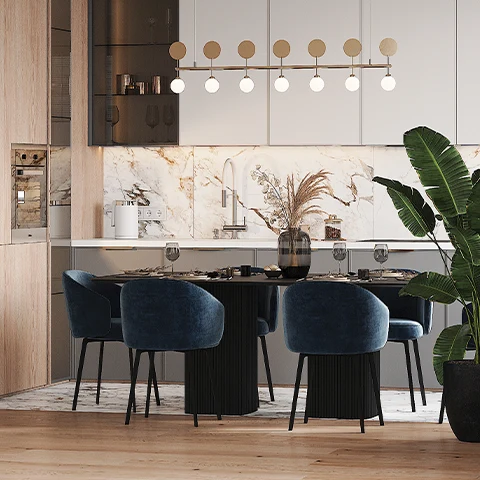
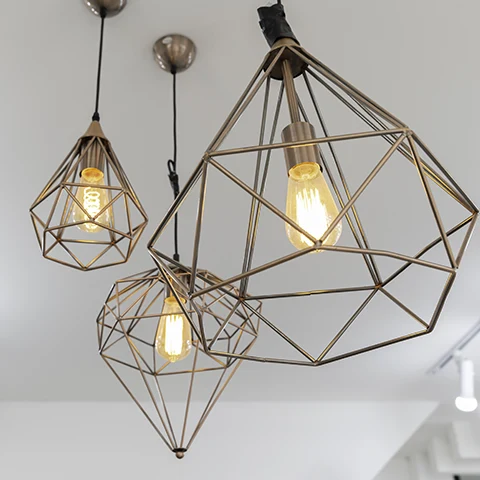
Well-planned interior lighting shapes the mood and perceived depth of a room long after sunset. Layering ambient ceiling lighting with focused task lamps reduces harsh shadows and creates a more balanced lighting scheme. Adding dimmer switches provides flexible brightness control, allowing the same space to shift from functional task lighting to a calmer evening atmosphere.
Maximizing space in compact urban living interiors
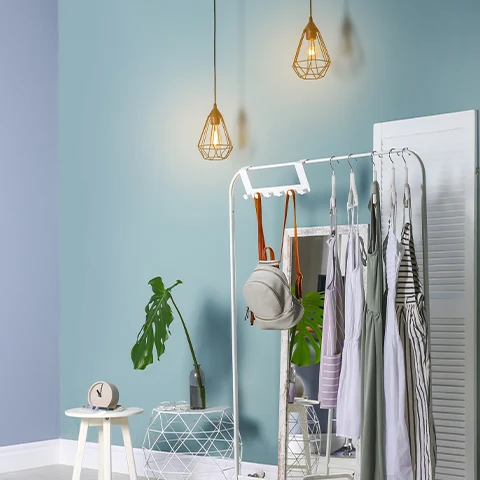
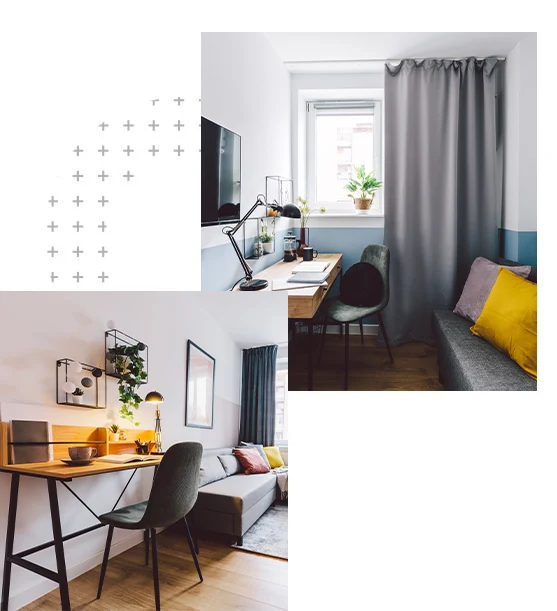
Limited square footage demands careful small-space planning and flexible furniture choices. Using oversized mirrors and continuous flooring can visually expand narrow rooms and corridors. Furniture raised on slender legs exposes more floor area and preserves a lighter sense of circulation. Using vertical storage draws the eye upward while freeing practical walking space.
- Wall-mounted floating display shelves
- Space-saving foldable dining tables for flexible layouts
- Transparent acrylic seating for visual lightness
- Custom vertical storage cabinets
Transforming gardens and outdoor areas into living spaces
Well-designed exterior patios can function as natural extensions of the interior layout. Choosing weather-resistant outdoor upholstery and hardscaping elements such as stone pathways helps define open-air seating and lounging zones. Surrounding these areas with native plants adds privacy, greenery, and a more cohesive garden retreat.
Applying practical everyday styling tips
Small styling adjustments can refresh a room without major renovation work. Rotating decorative accessories seasonally or arranging objects in asymmetrical groupings can quickly add visual rhythm and sophistication to everyday living spaces.
Rule of three for object groupings
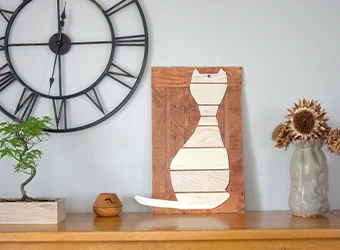
Arranging vases, sculptures, or decorative objects according to the rule of three creates visual tension and keeps tabletop compositions engaging.
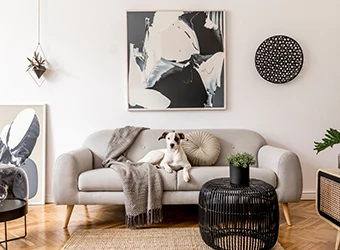
Strategic artwork hanging heights
Positioning hanging artwork with its visual center near eye level anchors the wall composition and prevents surrounding surfaces from feeling disconnected.

Concealing visible electronic wires
Routing visible cables through hollow baseboards improves cable management, reduces visual clutter, and preserves a cleaner, uninterrupted room aesthetic.