Decorating Styles
Walk into two different homes and you will instantly feel the difference: one may feel calm and uncluttered, the other warm, layered, and full of stories. That feeling is rarely an accident. It is the result of a decorating style — a coherent visual language made of colors, materials, furniture shapes, and ways of arranging space. Understanding the major decorating styles is like learning the vocabulary of interior design: once you speak it, you can compose your own sentences instead of copying them.
This pillar article is designed as your complete introduction to decorating styles. Whether you are furnishing your first apartment, refreshing a single room, or simply trying to put a name on what you love, you will find here a clear map of the territory, practical identification tools, and honest advice on how to combine styles without creating visual chaos.
What Is a Decorating Style, Exactly?
A decorating style is a recognizable set of aesthetic codes that guides the choices made in a space: the palette, the materials, the furniture silhouettes, the lighting, and even the accessories. Think of it as a cuisine. Two chefs can both cook a delicious meal, but one works within the rules of Japanese cuisine and the other within Tuscan tradition — and you can taste the difference even if you could not name it.
Styles matter for three practical reasons:
- Coherence: a dominant style helps individual purchases work together, so your sofa bought today still makes sense with the armchair bought three years from now.
- Decision-making: a defined style acts as a filter. When you know you lean minimalist, you can say no to a busy floral rug without agonizing.
- Atmosphere: styles carry moods. Scandinavian spaces feel airy and restful; industrial spaces feel energetic and urban. Your style shapes how a room feels, not just how it looks.
An important nuance: a style is a starting point, not a uniform. Nobody’s home should look like a showroom. The best interiors take a style as a base — roughly 70% of the decisions — and allow personality and eclecticism to fill the remaining 30%.
The Major Decorating Styles at a Glance
Below is an overview of the styles most frequently referenced in interior design. For each, you will find its signature elements and the atmosphere it creates.
Minimalist Style
Minimalism follows the principle that less is more. Spaces are stripped to the essentials: clean lines, neutral palettes (white, gray, beige), hidden storage, and a deliberate absence of clutter. Every object that remains earns its place. Lighting is often architectural, and materials are simple but high quality — think a single oak table, white walls, and one statement pendant lamp.
- Signature elements: flat-front cabinetry, monochrome palettes, functional furniture, generous empty space.
- Atmosphere: calm, ordered, mentally restful.
- Watch out for: rooms that tip into feeling cold or sterile — warmth must come from texture and one or two organic touches.
Scandinavian Style
Often confused with minimalism, the Scandinavian style (or Scandi) adds warmth and softness to the minimalist skeleton. Born in Nordic countries where light is precious, it maximizes brightness with white and pale walls, light-toned woods like birch and ash, wool and linen textiles, and cozy elements — the famous Danish concept of hygge. A Scandi living room might pair a light gray sofa with a sheepskin throw, a pale wood coffee table, and a single green plant.
- Signature elements: light woods, white walls, textured textiles (knits, wool, linen), functional yet inviting furniture.
- Atmosphere: bright, welcoming, gently cozy.
Industrial Style
The industrial style borrows from converted warehouses and lofts: raw brick, exposed pipes, black metal frames, concrete, and aged leather. It embraces imperfection and structure, often keeping ceilings open and visible. In an ordinary home, it translates as a black metal shelving unit, a distressed leather sofa, Edison-style bulbs, and a concrete-look floor.
- Signature elements: metal and wood combinations, brick and concrete finishes, dark accent colors, vintage factory lighting.
- Atmosphere: urban, bold, slightly masculine.
- Watch out for: too much rawness can feel like an unfinished basement — soften with textiles and warm lighting.
Bohemian (Boho) Style
Bohemian style is free-spirited and layered. It mixes patterns, global textiles, plants in abundance, rattan, macramé, and collected objects with personal history. There are rules about richness, but few about matching. A boho bedroom might combine a patterned kilim rug, a woven headboard, trailing plants, and string lights — and somehow it works, because the common thread is texture and warmth.
- Signature elements: layered textiles, natural fibers, plants, warm earthy tones mixed with saturated accents.
- Atmosphere: relaxed, artistic, travel-inspired.
Modern and Contemporary Styles
These two terms are often used interchangeably, but they differ. Modern style refers to a specific historical movement (mid-20th century): organic curves, tapered legs, molded plywood, and icons of that era. Contemporary style means what is current right now — it evolves, currently favoring soft curves, muted palettes, and sculptural lighting. A modern interior might feature an Eames-style lounge chair; a contemporary one might feature a curvy bouclé sofa.
Classic and Traditional Styles
Classic decorating draws on European heritage: symmetrical arrangements, molded wall panels, rich fabrics like velvet and damask, dark or medium-toned woods, and refined details such as moldings, cornices, and chandeliers. It conveys elegance and permanence. A traditional dining room — wainscoted walls, a mahogany table, a crystal pendant — never goes out of fashion because its codes are timeless rather than trendy.
Japandi and Other Hybrid Styles
Some of the most interesting current styles are hybrids. Japandi — the fusion of Japanese serenity and Scandinavian functionality — combines low-slung furniture, natural materials, muted earthy tones, and an almost meditative restraint. It illustrates a broader truth: styles are not sealed boxes, and the most personal interiors often live between two codes.
How to Identify Your Personal Decorating Style
Knowing the styles is one thing; knowing yours is another. Here is a reliable method, the same one a designer would use in a first consultation.
- Collect before you decide. Save images of rooms you love — from magazines, websites, even hotels you have stayed in. Aim for 15 to 20 images without overthinking.
- Look for patterns. Spread the images out and ask: which colors repeat? Which materials (wood, metal, linen, velvet)? Are the rooms busy or spare? Light-filled or moody? The recurring answers sketch your style profile.
- Analyze what you already love. The objects you have kept for years — a ceramic vase, a wool blanket — are honest clues, freer than aspirational Pinterest saves.
- Name your dominant style and your secondary one. Most people are a blend, for example 60% Scandinavian and 40% boho. That blend is your personal formula.
- Test on a small scale. Before repainting an entire apartment, style a shelf or one corner following your formula. If it feels right after a few weeks, extend it.
A useful analogy: choosing your style is like choosing a wardrobe signature. You may occasionally wear something unexpected, but your core palette and cuts stay recognizable — and that is exactly what makes getting dressed (or decorating) fast and satisfying.
How to Combine Styles Without Clash
Few homes follow a single style strictly, and honestly, they should not. The art lies in controlled mixing. Designers generally work with a simple proportion: one dominant style for about two-thirds of the space, one supporting style, and a small dose of the unexpected. Three techniques make the mix work:
- Unify with color: keep a consistent palette across styles. A rattan boho chair and a metal industrial shelf coexist peacefully when both sit within the same warm, earthy range.
- Repeat materials: if wood, linen, and black metal appear in both styles you are blending, the eye reads continuity.
- Balanced proportions: a 50/50 split often looks undecided. A clear dominant style gives the room a spine; the secondary style adds dialogue.
Consider a practical case: a living room that is 70% Scandinavian (pale walls, light wood floor, functional sofa) and 30% industrial (a black metal bookshelf, a darker leather armchair). The shared palette of white, gray, and wood tones makes the combination feel intentional rather than accidental.
Common Mistakes When Choosing a Decorating Style
- Chasing trends instead of fit. A style that photographs beautifully but contradicts how you live (a pristine white minimalist home with two young children, for instance) will frustrate you daily.
- Buying everything at once. Rooms that feel authentic are assembled progressively. Give your style time to reveal itself in your choices.
- Ignoring architecture. A style works with your home’s bones, not against them. Exposed beams naturally support rustic and industrial codes; a modern glass extension calls for cleaner lines.
- Confusing style with budget. A minimalist room with two cheap objects often looks poorer than the same room with fewer, better ones. Style rewards curation more than spending.
- Over-theming a room. When every single item matches, the space feels like a set. Leave room for the imperfect and the personal.
Bringing It All Together
Decorating styles are not rigid categories to obey — they are frameworks that make design decisions easier and more coherent. Start by identifying the styles that genuinely attract you, define your dominant blend, and then apply it progressively, room by room, trusting the 70/30 rule of structure and personality. A home built this way does not just look finished; it feels like an accurate portrait of the people living in it — and that, ultimately, is the real purpose of any decorating style.
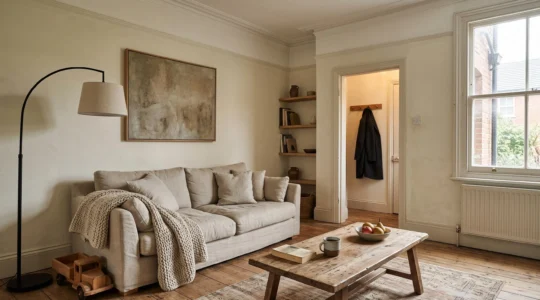
How Can Minimalist Interior Design Feel Calm Without Becoming Empty or Impersonal?
Minimalist interior design feels calm without becoming empty when it reduces unnecessary visual distractions while preserving everything that makes a home comfortable, useful and recognisably personal. The aim is not…
Lire la suite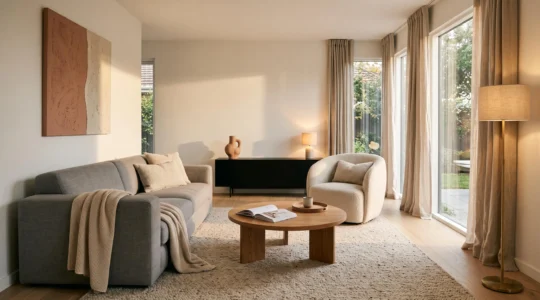
How Can You Use Clean Lines Without Making a Room Feel Cold or Severe?
Clean lines can make a room feel peaceful, spacious and carefully considered. Yet when every piece of furniture has sharp corners, every surface is bare and the lighting is flat,…
Lire la suite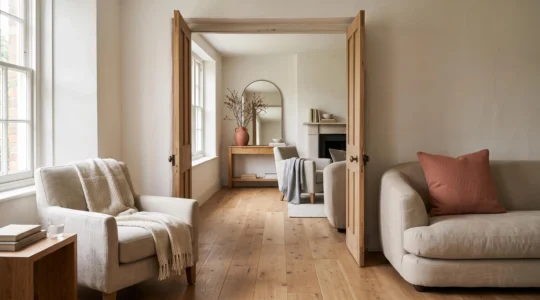
How Can You Create a Cohesive Visual Language Across Furniture, Colour and Décor?
A home develops a recognisable visual identity when its furniture, colours and decorative details follow a consistent set of design cues. The pieces do not need to belong to the…
Lire la suite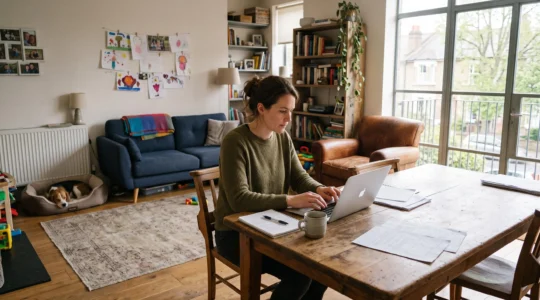
How Can You Choose an Interior Design Style That Suits the Way You Actually Live?
The most attractive room in a design magazine might be surprisingly difficult to live in. A sculptural sofa looks beautiful until someone needs a comfortable place to read for an…
Lire la suite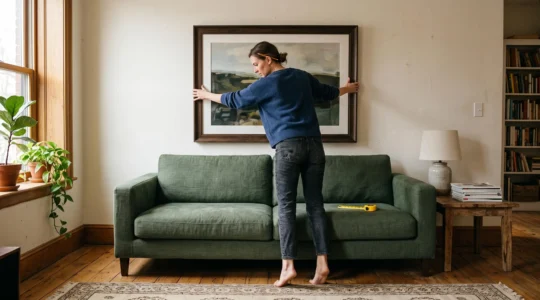
How Can You Hang Artwork at the Right Height for the Furniture Below It?
A framed print can look perfectly proportioned in a shop yet appear strangely disconnected once hung above a sofa. Often, the problem is neither the artwork nor the wall. It…
Lire la suite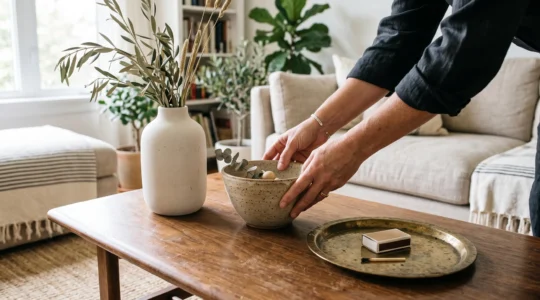
How Can the Rule of Three Make Decorative Displays Look More Natural?
Three objects can make a shelf, coffee table or console feel thoughtfully styled without looking overly arranged. The secret is not simply counting accessories. It is giving each piece a…
Lire la suite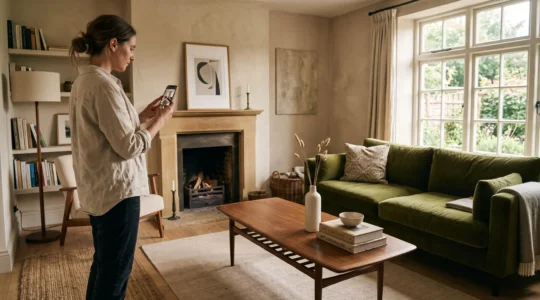
How Can Decorative Accessories Add Personality Without Making a Room Look Cluttered?
Decorative accessories give a home its individual character, but displaying everything at once can make even a carefully furnished room feel restless. The solution is not to eliminate personal objects….
Lire la suite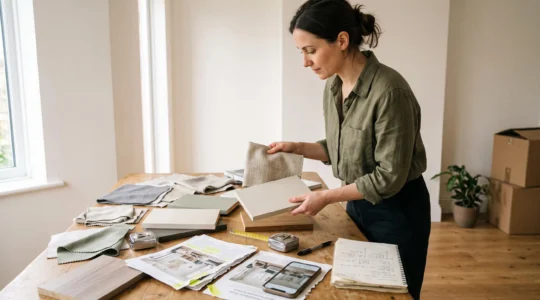
How Can You Define a Clear Visual Aesthetic Before Buying New Décor?
A clear visual aesthetic begins with a set of design decisions, not a shopping list. Before purchasing furniture or accessories, establish the atmosphere you want your home to convey, the…
Lire la suite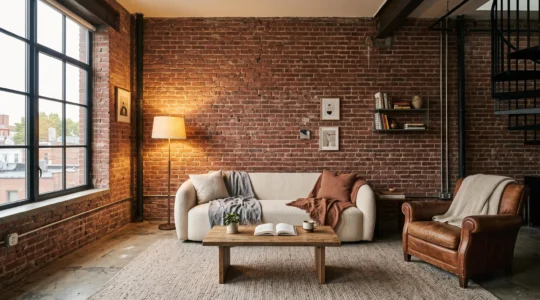
How Can Industrial Loft Interiors Feel Comfortable Without Losing Their Raw Character?
An exposed brick wall, concrete floor and steel-framed windows can make a converted warehouse visually compelling. Yet the same features that give an industrial loft its identity can create problems…
Lire la suite