Garden and Outdoor
The way we treat the space just beyond our walls has changed dramatically. What was once little more than a lawn to mow has become a genuine extension of the home: an outdoor room where we cook, dine, work, relax and entertain. This shift is at the heart of everything you will find in our Garden and Outdoor category. Think of this page as your base camp — a structured introduction that connects all the individual topics, so you can understand how each decision affects the whole picture before diving into the details.
Why Outdoor Spaces Deserve the Same Care as Interiors
Interior designers often talk about the « flow » of a home — how one room leads naturally into another. The same logic applies outdoors. A terrace cluttered with mismatched furniture and a garden with no clear structure will never feel inviting, no matter how much money you spend. In recent years, the line between indoors and outdoors has blurred: materials like wood, linen, ceramics and outdoor rugs now travel freely across the threshold.
A useful way to think about it: your garden is a living room with a living ceiling. The trees, pergola or umbrella play the role of the roof; hedges and planters act as the walls; the ground surface — paving, decking or gravel — becomes your floor. Once you adopt this mindset, designing an outdoor space stops feeling intimidating and starts feeling familiar.
Understanding Your Outdoor Space First
Before buying anything, the most experienced gardeners and landscape designers all do the same thing: they observe. Every outdoor space answers three fundamental questions, and your honest answers will shape every later decision.
Light: Your Most Valuable Resource
Track how sunlight moves across your space during the day. A south-facing patio bathed in light for six hours or more opens the door to Mediterranean plants, herbs and tomatoes. A north-facing balcony or a garden shaded by neighboring buildings calls for a completely different plant palette — ferns, hostas, hydrangeas — and a different approach to furniture, since shaded surfaces stay damp and cool. Getting this wrong is the single most common beginner mistake: a sun-loving lavender planted in shade will decline within a season, while a shade-loving fern scorching in full sun will look burnt and miserable.
Space and Proportion
A small balcony and a sprawling garden obey the same rule of proportion, just at different scales. As a rule of thumb, keep circulation paths at least 80–90 cm wide so people can move comfortably, and resist the temptation to fill every corner. Negative space — the empty areas — is what makes a garden feel calm rather than crowded. If you have 15 square meters, one well-chosen seating area with surrounding planting will always look better than four half-finished zones.
Climate and Practical Constraints
Wind exposure, frost, drought, drainage and local regulations all matter. A rooftop terrace faces very different challenges than a sheltered courtyard. Make a simple list of your constraints before you shop:
- Wind exposure — determines whether you need wind-resistant plants, screens or weighted furniture.
- Frost and hardiness zone — decides which plants survive winter outdoors and which need protection or containers you can move.
- Water access — a tap nearby changes your entire watering strategy.
- Weight limits — critical for balconies and rooftops; large planters filled with wet soil are far heavier than people expect.
- Budget and time — a low-maintenance design costs less over five years than a high-maintenance one you cannot keep up with.
Designing the Layout: Zones That Work Together
Once you know your conditions, think in zones. Just as a home has a kitchen, a dining room and a living room, a successful outdoor space usually combines three or four distinct functions, linked by a coherent path and a unifying style.
- The arrival or transition zone — the doorstep, gate or back door area. Keep it clear, well-lit and welcoming; a fragrant plant by the entrance makes a lasting first impression.
- The main living zone — typically a dining table and chairs on a deck, patio or balcony. Position it where you get afternoon or evening sun if you plan to eat outside.
- The relaxation zone — lounge chairs, a hammock or a bench, ideally facing your best view and placed slightly away from the bustle of the dining area.
- The productive or green zone — vegetable beds, herb planters, a greenhouse or simply dense planting. Even a single shelf of potted herbs counts.
One practical example: in a 30-square-meter garden, a family might place the dining zone within three steps of the kitchen door, a small lounge nook in the sunniest corner, and raised vegetable beds along the sunniest fence line. Nothing expensive, but everything thought through — and it transforms how the space is used every single day.
Choosing Materials: The Foundation of Outdoor Style
Materials are where outdoor design succeeds or fails, because they must look good and survive the weather. Think of them as the wardrobe of your garden: some fabrics are for summer, others last all year.
- Natural stone and porcelain paving — durable and elegant for patios; porcelain is particularly low-maintenance and slip-resistant.
- Wood decking — warm underfoot and beautiful, but requires regular oiling or the choice of naturally durable species like cedar or larch; composite decking offers a near-zero-maintenance alternative.
- Gravel and bark — inexpensive, permeable and excellent for informal paths and low-water gardens.
- Woven and metal furniture — rattan-look resin and powder-coated aluminum both handle rain well; untreated wrought iron needs care but ages beautifully.
- Textiles rated for outdoors — cushions and rugs in solution-dyed acrylic or polyester meant for exterior use dry fast and resist fading.
A simple test before committing: imagine each material after five years of rain, sun and neglect. Choose the ones whose aged look you would still love.
Plants as Living Decor: Building the Green Structure
Plants are not an afterthought — they are the architecture of the garden. Professionals work in three layers, and beginners can adopt the same method immediately.
- Structure plants — trees, large shrubs and tall grasses that give height and hold the composition together in winter.
- Mid-layer planting — flowering shrubs, perennials and ornamental grasses that provide color and texture through the seasons.
- Ground cover and edging — low plants that knit everything together, suppress weeds and finish the edges cleanly.
Combine this layering with the concept of seasonal interest: choose at least one plant for each season — spring bulbs, summer flowering perennials, autumn foliage, and an evergreen or two with winter structure. This single habit is what separates gardens that look good for three weeks from gardens that look alive all year.
For containers, follow the popular « thriller, filler, spiller » formula: one dramatic centerpiece plant, several mid-height fillers, and trailing plants cascading over the edge. It works on a windowsill as well as on a terrace.
Lighting and Ambiance: The Evening Transformation
Outdoor lighting is the most overlooked element — and the one with the highest impact per dollar spent. A garden that looks charming at noon can look magical or completely flat at night, depending on three lighting techniques:
- Path lighting — low, warm fixtures guiding movement safely; aim for subtle pools of light rather than an airport runway.
- Accent lighting — uplights at the base of a tree or wall wash that adds depth and drama.
- Task and ambient lighting — string lights, lanterns and candles over the dining zone for warmth and conviviality.
Prefer warm white tones (around 2700–3000 K) throughout, and choose solar or low-voltage LED systems for simplicity and low running costs. Layer the lighting so you can use only what you need each evening.
Sustainable and Low-Maintenance Outdoor Living
Modern garden thinking has shifted toward working with nature rather than against it. Three trends define this approach, and all three make life easier, not harder:
- Water-wise planting — drought-tolerant species, mulch and rainwater collection reduce watering to a minimum.
- Biodiversity — native plants, a small pond or insect hotel, and skipping pesticides turn your garden into habitat for pollinators and birds.
- Reduced lawn areas — replacing part of the grass with planting beds or ground cover cuts mowing and increases seasonal interest.
The financial argument is just as convincing: a well-mulched, densely planted bed needs perhaps a tenth of the yearly effort of the same area kept as a high-maintenance lawn and annual bedding.
Bringing the Indoors Out: Comfort, Color and Personal Style
Finally, remember that outdoor decoration follows the same creative rules as interior decoration. Repeat your interior’s color palette outside for visual continuity through the windows. Add texture with cushions, an outdoor rug and a throw for cool evenings. Treat a garden wall or fence as a blank canvas with outdoor art, a mirror or a climbing plant. And personalize: the garden you love is one that reflects how you actually live, whether that means Sunday barbecues, morning coffee alone, or children and dogs tearing across the lawn.
Explore the Garden and Outdoor Category
This pillar page gives you the map: assess your space, plan zones, choose durable materials, plant in layers, light with intention, and style with the same care you give your living room. Each article within this category goes deeper into one of these topics — from container gardening and patio furniture choices to lighting setups and seasonal care — so you can build your knowledge one step at a time. Start where your need is most pressing, and let the rest follow naturally. Your outdoor space is the room with the best view in the house; it deserves nothing less than your interior’s attention.
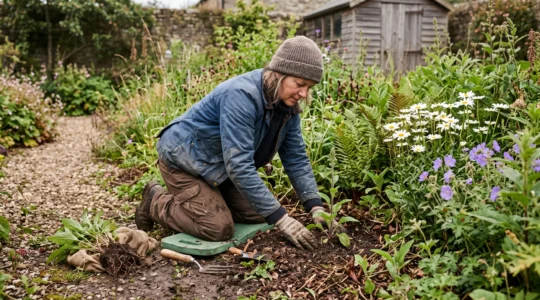
How Can Native Plants Create a More Resilient and Natural-Looking Garden?
A garden becomes more resilient when its planting works with local growing conditions rather than depending on constant watering, feeding and intervention. British native plants can help achieve this balance,…
Lire la suite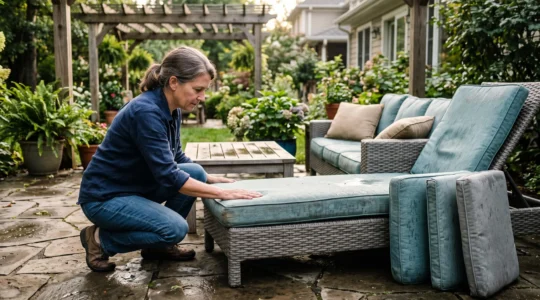
How Can You Choose Weather-Resistant Outdoor Upholstery That Still Feels Comfortable?
Comfortable outdoor upholstery needs to do more than survive an occasional rain shower. It must tolerate sunlight, moisture and everyday friction without becoming unpleasant to sit on. A cushion that…
Lire la suite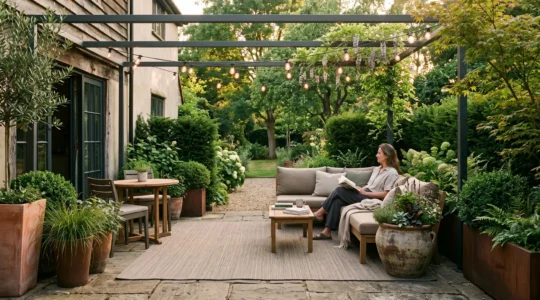
How Can You Design an Exterior Patio That Feels Like a Real Outdoor Room?
A patio becomes a genuine outdoor room when its layout supports everyday activities as comfortably as the rooms inside the house. Furniture provides somewhere to sit, but the feeling of…
Lire la suite