Lighting
Lighting is one of the most underestimated elements of interior design. People often spend weeks choosing paint colors, furniture and textiles, then install a single ceiling fixture and wonder why the room still feels flat. The truth is that lighting shapes how a space feels even more than how it looks. Think of it as the invisible layer of decoration: it can make a small room feel spacious, a cold room feel cozy, and a dull corner become the heart of your home.
This pillar page is your complete introduction to home lighting. Whether you are renovating, moving into a new place, or simply trying to fix a living room that feels gloomy in the evening, you will find here the essential concepts, the vocabulary, and the practical decisions that make a real difference.
Why Lighting Matters More Than You Think
Light affects three things at once: function, atmosphere, and well-being. Functionally, you need enough illumination to cook, read, and work safely. Atmospherically, light sets the emotional tone of a room, from energizing brightness to intimate softness. And biologically, light influences your circadian rhythm, which affects sleep quality and energy levels.
A helpful analogy: if your room were a stage, furniture would be the actors, decoration the costumes, and lighting the stage director. The same scene can look dramatic, romantic, or clinical depending on where the light falls. This is why professionals treat lighting as a design layer of its own, planned alongside the layout rather than added at the end.
The Three Layers of Lighting
Almost every well-lit room combines three complementary layers. Understanding them is the single most useful concept in lighting design.
Ambient Lighting
Ambient (or general) lighting is the base layer that provides uniform illumination, replacing daylight after sunset. It usually comes from ceiling fixtures, recessed lights, or large pendants. A good rule of thumb for beginners: aim for roughly 20 lumens per square foot (about 215 lumens per square meter) in living areas, and more in kitchens and bathrooms.
Task Lighting
Task lighting targets a specific activity: a reading lamp beside an armchair, under-cabinet strips in a kitchen, or a desk lamp for work. Because it is concentrated, it lets you keep the overall room dimmer while still seeing clearly where it matters. This reduces eye strain and instantly adds depth to a space.
Accent Lighting
Accent lighting creates drama and hierarchy. Wall sconces washing a textured wall, a picture light over artwork, or a spotlight on a plant all draw the eye and give the room a focal point. A simple method: identify one or two features you love in the room, then dedicate light to them.
- Ambient: the general layer, sets the overall brightness.
- Task: focused light for reading, cooking, working.
- Accent: decorative highlights that add depth and character.
A common mistake is relying on a single ceiling fixture to do all three jobs. The result is usually harsh overhead shadows and a lifeless atmosphere. Distributing these layers around the room, at different heights, is what creates the welcoming glow you see in well-designed interiors.
Understanding Color Temperature: Warm vs. Cool Light
Color temperature, measured in kelvins (K), describes whether light appears warm or cool. Lower numbers mean warmer, more amber light; higher numbers mean bluer, crisper light.
- 2200K–2700K (warm white): cozy, relaxing, ideal for living rooms, bedrooms, and dining areas.
- 3000K–3500K (neutral white): balanced and clear, well suited to kitchens, bathrooms, and workspaces.
- 4000K–5000K (cool white / daylight): energizing and precise, best reserved for garages, workshops, or task-heavy areas.
A practical scenario: imagine a bedroom lit entirely with 5000K bulbs. Even a beautifully decorated room will feel like a hospital corridor. Swap those bulbs for 2700K versions and the same space suddenly feels like a boutique hotel. When in doubt, choose warm light for relaxation zones and neutral light for functional zones.
Also pay attention to the Color Rendering Index (CRI), which indicates how faithfully a bulb reveals colors. A CRI of 80 or above is fine for general use; 90+ is worth the small extra cost in kitchens, dressing areas, and anywhere colors matter.
Main Types of Light Fixtures and Where to Use Them
Ceiling and Overhead Fixtures
Pendants, chandeliers, and flush or semi-flush mounts provide the ambient base. In a dining room, hang a pendant so its bottom sits roughly 30 to 36 inches (75–90 cm) above the table, low enough to feel intimate without blocking conversation.
Floor and Table Lamps
Portable lamps are the easiest way to add layers without electrical work. Place lampshades at roughly eye level when seated so you see the glow, not the bare bulb. A floor lamp in a dark corner can visually « push back » the walls and make the room feel larger.
Wall Sconces
Sconces free up floor space and add rhythm to walls. They shine in hallways, beside beds (freeing the nightstand), and flanking mirrors in bathrooms.
Recessed and Track Lighting
Discreet and flexible, these suit modern interiors and open-plan spaces. Avoid placing recessed spots in a perfect grid; instead, position them where light is actually needed, such as over a countertop or a walkway.
LED Strips and Indirect Lighting
Hidden light sources, behind a headboard, under kitchen cabinets, or along a shelf, create a soft, luxurious effect. Because the source stays invisible, the light feels gentle even at higher output.
Practical Lighting by Room
Living Room
Aim for three to four light sources at different heights: an overhead fixture on a dimmer, a floor lamp near the sofa, a table lamp on a sideboard, and possibly a small accent light on shelving. This distribution prevents the « lit stage from above » effect.
Kitchen
Combine bright ambient light with strong task lighting under the cabinets and, ideally, pendants over an island. Neutral white around 3000K–3500K keeps food colors accurate.
Bedroom
Favor warm, low, indirect light. Bedside sconces or small lamps with dimmers beat a bright ceiling fixture, which is jarring at night. Consider a dimmable warm strip behind the headboard for a hotel-like feel.
Bathroom
Priority number one is good, shadow-free light at the mirror: two sconces at face level on either side outperform a single overhead spotlight, which casts unflattering shadows.
Home Office
Position a desk lamp so light falls on your work without reflecting into your eyes, and keep the surrounding room moderately lit to reduce contrast and eye fatigue.
Bulbs, Wattage and Lumens: What Beginners Should Know
Since LED technology became standard, lumens, not watts, measure brightness. A rough equivalence: an old 60W incandescent bulb produced about 800 lumens; a modern LED does the same with 8 to 10 watts. When replacing bulbs, match lumens rather than watts.
- Identify the fixture and the layer it serves (ambient, task, or accent).
- Choose the right color temperature for the room’s function.
- Select the lumen output, higher for task areas, lower for mood lighting.
- Check for dimmability if you plan to use a dimmer switch, and confirm the dimmer is LED-compatible.
Dimmer switches are one of the best-value upgrades in home lighting. Being able to lower the light from dinner-party brightness to a soft evening glow gives a single room multiple personalities.
Maximizing Natural Light Before Adding Artificial Light
The cheapest and healthiest light source is daylight. Before buying fixtures, audit your windows and surfaces. Light-colored walls, mirrors placed opposite or perpendicular to windows, sheer curtains instead of heavy drapes, and uncluttered window frames can dramatically increase perceived brightness. A mirror can effectively double the daylight in a narrow hallway, a trick interior designers use constantly.
Also observe how light moves through your home during the day. A north-facing room benefits from warmer artificial light to compensate for cool daylight, while a sun-drenched south-facing room may need blinds or layered curtains to control glare.
Common Lighting Mistakes to Avoid
- Relying on one central ceiling fixture for an entire room.
- Using cool white bulbs everywhere, which flattens warm materials like wood and textiles.
- Buying fixtures that are too small: an undersized pendant over a large table looks lost.
- Ignoring dimmers, which limit flexibility more than any other choice.
- Placing recessed spots in a mechanical grid instead of where light is needed.
- Forgetting that shiny surfaces (glass tables, glossy floors) reflect light and can create glare.
Getting Started: A Simple Step-by-Step Plan
- Walk through each room at different times of day and note where light is missing or harsh.
- Define how you actually use each space: reading, entertaining, working, relaxing.
- Plan one ambient source, at least one task source, and one accent source per main room.
- Choose warm color temperatures for living areas and neutral ones for functional zones.
- Add dimmers where budget allows, starting with the living room and bedroom.
Lighting does not have to be expensive or technical to be transformative. Start with one room, layer your sources, warm up your bulbs, and observe the difference in the evening. Once you experience a properly layered space, you will never look at a bare ceiling bulb the same way again, and your home will feel intentional, comfortable, and genuinely yours.
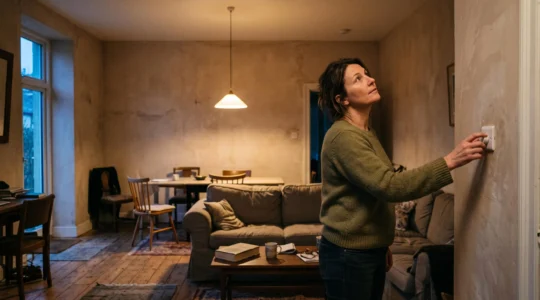
How Can Dimmer Switches Make One Lighting Scheme Work for Different Activities?
A dining room that feels bright and practical at breakfast can seem unnecessarily harsh during an evening meal. The ceiling light has not changed, but the activity has. Installing a…
Lire la suite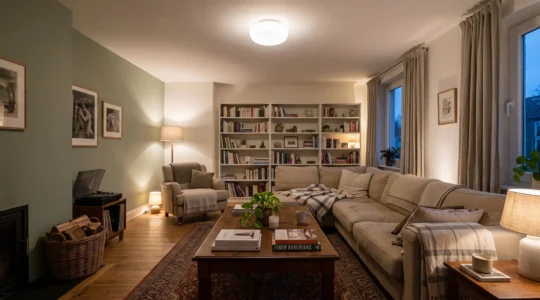
How Can Ambient Ceiling Lighting Brighten a Room Without Feeling Harsh?
A ceiling light can make the centre of a room brilliantly bright while leaving the sofa, walls and corners surprisingly gloomy. Increasing its output rarely solves the underlying problem. It…
Lire la suite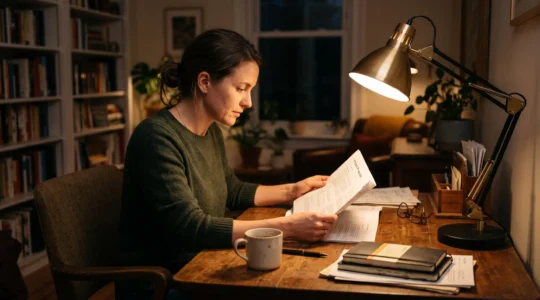
How Can You Position Task Lamps for Comfortable Reading or Desk Work?
A task lamp should illuminate the page, keyboard or detailed work directly without shining into your eyes or reflecting off a computer screen. The most effective placement is usually beside…
Lire la suite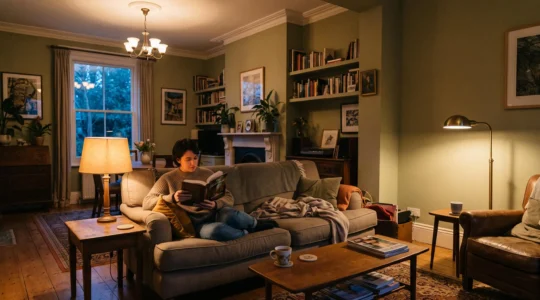
How Can You Plan Interior Lighting for Both Practical Tasks and Evening Atmosphere?
A room can feel perfectly bright when the ceiling light is switched on yet uncomfortable when someone tries to read on the sofa. Later that evening, the same fixture may…
Lire la suite